1. Confirm the property is released
If police were involved, cleanup starts after they release the space. The owner or family can check with the agency.
Quincy, FL · Gadsden County
Cleaning up after a loved one's drug use is hard enough. In Quincy, call (877) 812-4220 and let a cleanup team remove paraphernalia, clean up residue and take away what cannot be saved.
If anyone is in danger, call 911 first. For a suicide crisis, call or text 988.
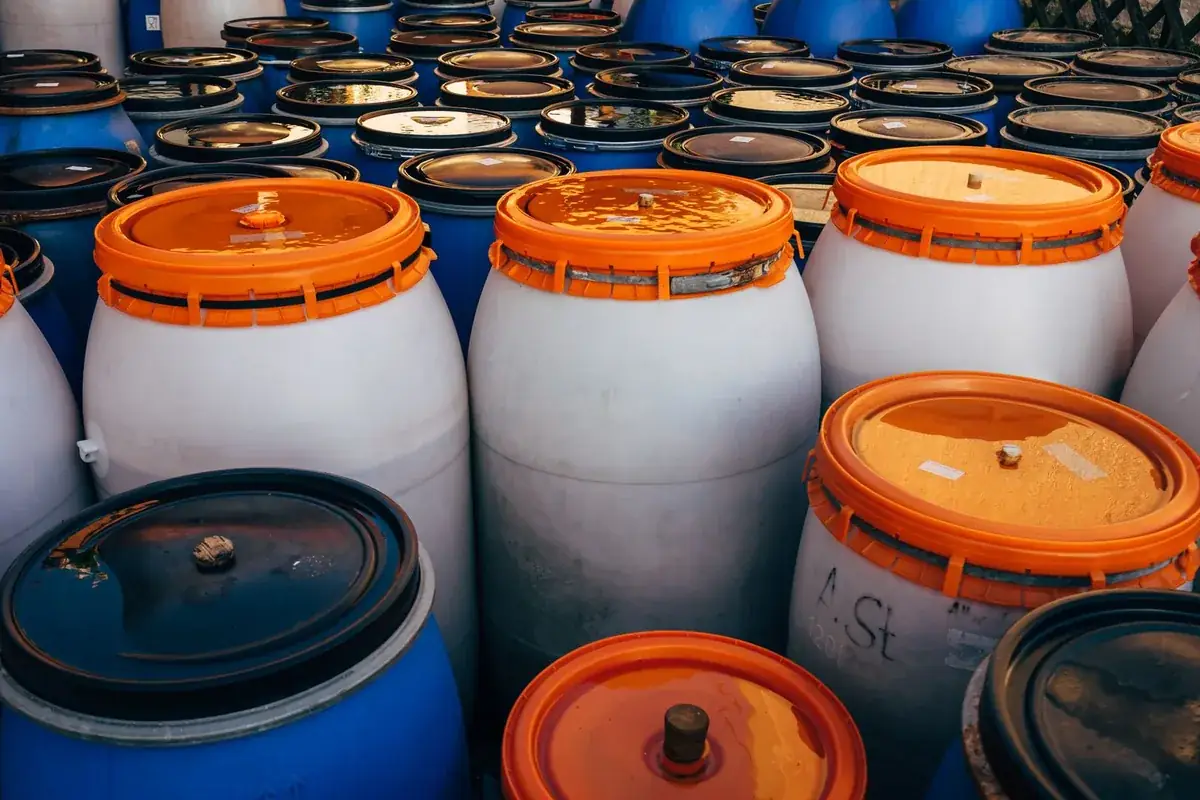
Paraphernalia and residue cleanup is a decontamination job. The goal is to leave a space where no sharps remain and surfaces have been cleaned with hospital-grade, EPA-registered products.
After a tenant leaves, you may find needles, residue or stained rooms in your Quincy property. Call Quincy Biohazard Cleanup Help for a team that collects sharps safely, removes soiled materials and cleans the unit, anywhere in Gadsden County.
Renters make up about 42% of households in Quincy, so landlords often need paraphernalia cleared between tenants. Tell the doctor where the exposure happened. Tallahassee Memorial Healthcare, about 23 miles from Quincy, can evaluate people who may have been exposed.
What drug paraphernalia cleanup covers:
If police were involved, cleanup starts after they release the space. The owner or family can check with the agency.
The team looks over the rooms and decides which items, surfaces and materials need attention.
Remaining paraphernalia is removed, and surfaces with residue are cleaned or taken out.
Sealed waste is hauled for proper disposal, and a record is available for the owner on request.
The cost of drug paraphernalia cleanup in Quincy, FL depends on the amount of material, how it is packed and how it is hauled.
The number of rooms affected is a major factor. One bedroom needs less time than a whole house or a large rental unit.
| Type of job | Typical range |
|---|
Estimates only, not a quote. Sources: . Price drivers include amount of material, whether residue is present, surfaces affected, waste disposal. Call (877) 812-4220 to talk through the job.
It is safer not to. You often cannot tell what an item or residue is, and hidden sharps are a risk. Do not mix cleaning products. A cleanup team has the protective gear and containers to do it safely, without judgment.
A careful cleanup removes the items and cleans the surfaces it covers. Testing is a separate step, and rules vary by place. Ask the team what it did and did not check, and ask the local health department what applies where you live.
In many cases the person who calls does not need to be at the property. Ask the team how access and keys can be arranged. If you are out of town, say so when you call. Many teams can arrive in an unmarked vehicle.
The owner of the property usually pays at first. Lease terms and local law decide who is responsible in the end. A landlord, an attorney or a tenant rights group can say. Keep any record the cleanup team gives you, since a landlord or insurer may ask for it.
Police and the city do not usually clean the space afterward. The owner or the family books the cleanup once the scene is released. A cleanup team can work after the release and explain the steps. Ask the agency when the space is cleared.
No. This page explains how drug paraphernalia cleanup works. It is not medical, legal or insurance advice. For symptoms, contact a doctor or Poison Control, and for legal questions, ask an attorney.
One call can start the cleanup of a room, a rental unit or a whole home.
Call (877) 812-4220